
-
Call Anytime
+8801711237222 -
Send Email
info@hlpfoundation.net

Call Anytime
+8801711237222Send Email
info@hlpfoundation.net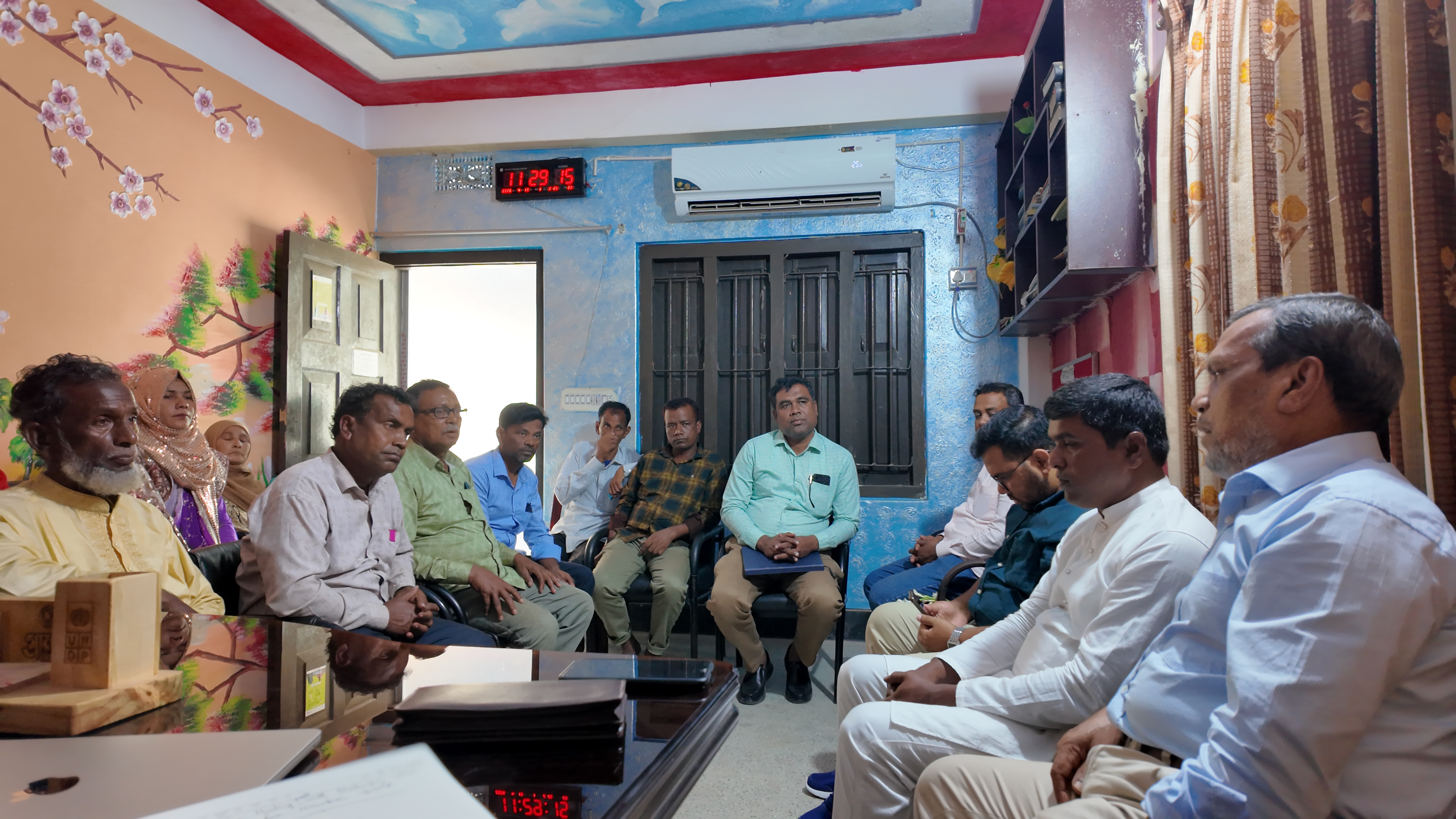
The FGD was conducted in six Union Parishads across Naogaon and Satkhira as part of the inception and co-design process. The discussions aimed to understand existing Union Parishad budgeting practices, identify key challenges, and gather stakeholders’ expectations for the proposed Digital Budgeting System. Key areas discussed included budget preparation, approval, reporting, ICT capacity, citizen participation, and system requirements. Participants emphasized the need for a user-friendly digital platform with automated calculations, dashboards, approval workflows, expenditure tracking, and public access to budget information.
The Focus Group Discussion (FGD) was conducted in six Union Parishads across Naogaon and Satkhira as an important part of the inception and co-design process for the development of the Union Parishad Digital Budgeting System. The primary purpose of the FGD was to understand the existing budgeting and financial management practices at the Union Parishad level, identify operational and institutional challenges, and collect practical feedback and expectations from key stakeholders who are directly involved in the budgeting process. The discussions explored the existing process of budget preparation and management, including Ward Shava meetings, pre-budget meetings, draft budget preparation, open budget meetings, approval, and submission to the Upazila Nirbahi Officer (UNO). Participants also discussed the roles of different stakeholders and the challenges they face in carrying out these activities. Key challenges identified included inadequate human resources, limited capacity of committees, lack of accurate and timely data, low public awareness, limited citizen participation, inactive standing committees, insufficient funding, irregular grant disbursement, and limited revenue generation. A major focus of the FGD was to understand stakeholders’ views on transitioning from the existing paper-based budgeting process to a digital system. Participants expressed positive expectations regarding digital budget management and highlighted its potential to reduce time, workload, and errors while improving data storage, analysis, accessibility, transparency, accountability, and overall efficiency. The discussions also helped identify practical requirements that should be considered during system design and development. Participants recommended several important features for the proposed Digital Budgeting System, including simplified data entry, automated calculations and error checking, dashboards and graphical presentations, approval and verification workflows, document uploading, citizen access to budget information, notification facilities, and regular tracking of income and expenditure. These recommendations provided valuable field-level inputs for developing a user-friendly and practical system aligned with the actual needs of Union Parishads. The FGD also assessed the existing ICT infrastructure and digital capacity of the participating Union Parishads. While most Union Parishads have access to computers, laptops, printers, and other ICT equipment, participants reported challenges related to inadequate device configurations, equipment maintenance, and slow internet connectivity. The discussions further identified the need for step-by-step, practical training covering budget management, software operation, data entry, reporting, and digital monitoring to ensure effective adoption and sustainable use of the Digital Budgeting System. Overall, the FGD provided an important platform for direct consultation with Union Parishad-level stakeholders and helped ensure that the proposed Digital Budgeting System reflects existing budgeting practices, field-level challenges, user requirements, and institutional realities in Naogaon and Satkhira. The findings were subsequently considered in the system’s design, workflow development, capacity-building approach, and implementation planning. ...Read More