-
Call Anytime
+8801711237222 -
Send Email
info@hlpfoundation.net

Call Anytime
+8801711237222Send Email
info@hlpfoundation.net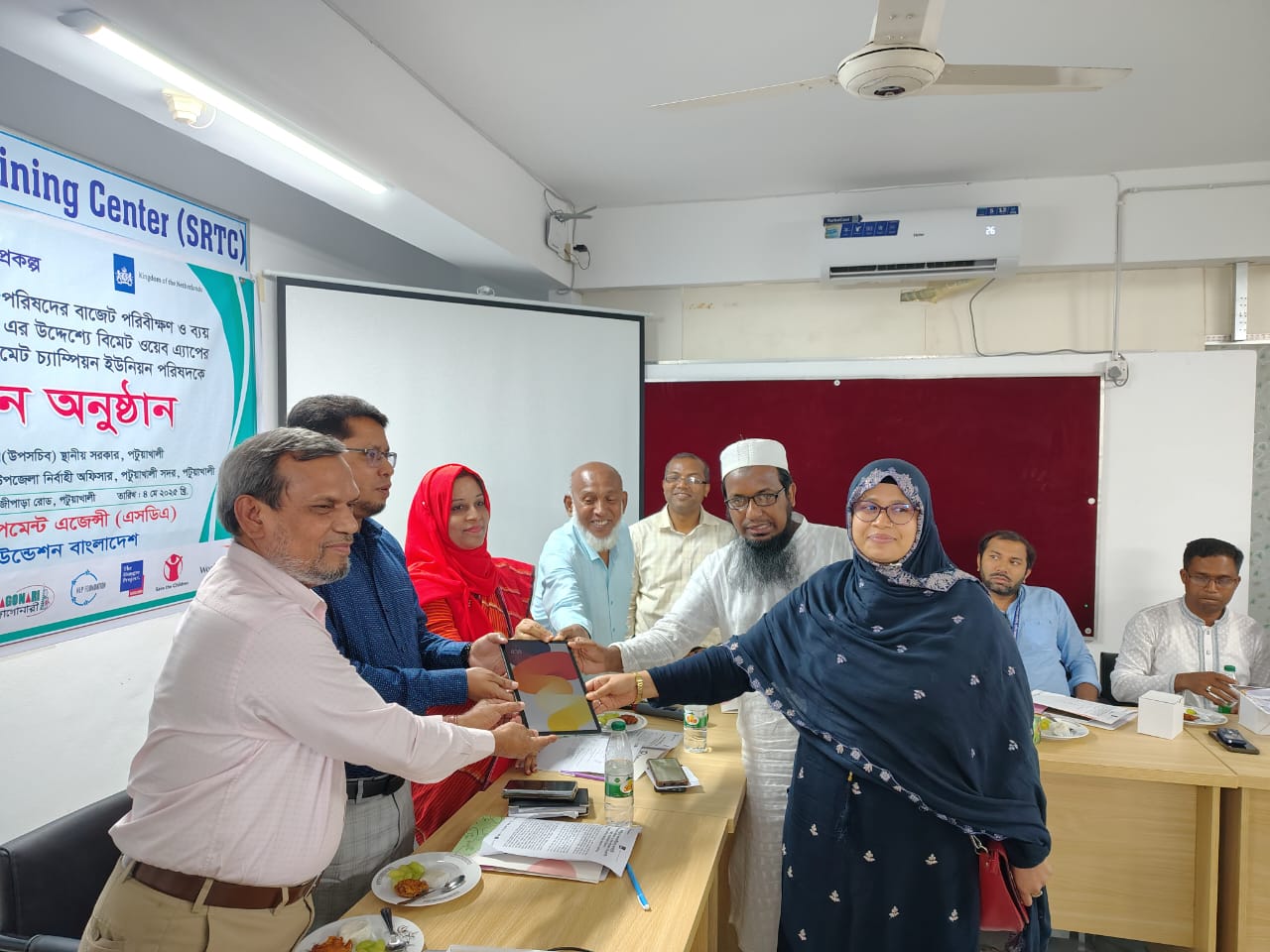
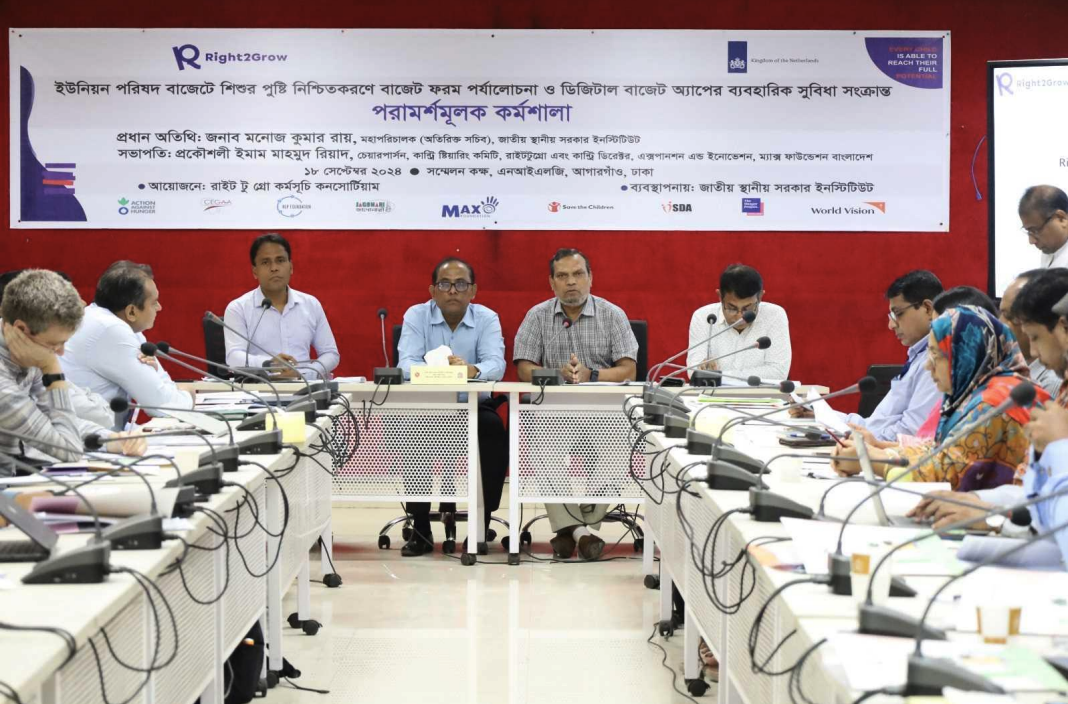
The Right2Grow programme (2021–2025), implemented by HLP Foundation in Bangladesh, strengthened nutrition, WASH, and inclusive local governance across climate-vulnerable districts through community empowerment, civil society engagement, and digital accountability tools like BMET. The programme supported Union Parishads to adopt transparent, nutrition-sensitive budgeting, improve service delivery, and ensure sustainability through local ownership and multi-sectoral collaboration.
The Right2Grow (R2G) Programme (2021–2025), implemented by HLP Foundation as part of the Bangladesh Country Consortium, aimed to reduce undernutrition among children under five by addressing its structural drivers through inclusive governance, community empowerment, and multi-sectoral collaboration. Funded by the Ministry of Foreign Affairs of the Netherlands, the programme was implemented across climate-vulnerable districts in the Barishal and Khulna Divisions, focusing on nutrition, Water, Sanitation and Hygiene (WASH), and maternal and child health (MCH) systems. The programme adopted a rights-based and bottom-up approach, strengthening civic space and enabling communities—particularly women, youth, and marginalized groups—to actively participate in local planning, budgeting, and accountability processes. A core innovation of the programme was the scaling and institutionalization of the Budget Monitoring and Expenditure Tracking (BMET) digital tool, which enhanced transparency and enabled Union Parishads to track and manage nutrition- and WASH-related budgets more effectively. Through sustained capacity-building, 40 Union Parishads adopted nutrition- and WASH-sensitive budgets, reflecting community-identified priorities and improving expenditure efficiency. Over the five-year period, Right2Grow strengthened the capacity of Civil Society Organizations (CSOs) and community-based organizations to engage in evidence-based advocacy, social accountability, and policy dialogue. These efforts contributed to measurable increases in local budget allocations for nutrition and WASH, improved coordination among government sectors, and stronger integration of nutrition, WASH, and climate resilience into local development planning. The programme also promoted gender equality and social inclusion by supporting women- and youth-led advocacy initiatives and ensuring meaningful participation beyond token representation. Sustainability and local ownership were embedded throughout programme implementation. Union Parishads committed to continuing the use of BMET beyond the project period, and local platforms matured into capable institutions able to sustain advocacy and accountability efforts. The programme’s experience demonstrates a scalable and replicable model for strengthening transparent, accountable, and evidence-based local governance to improve nutrition and WASH outcomes in Bangladesh, with clear lessons for future national and global programming. Read More